
The short answer
You should know what needed attention, what changed, whether the changes work and who owns the next step. A useful first 90 days gives you a manageable plan, checked improvements and an honest review of results. The sample below shows how that could work; the timing depends on your scope, access and approvals.
Start with the problem you’re hiring help to solve
“Look after the website” can mean very different things. Do you need someone to keep WordPress running, help your team publish, improve the buying journey or take responsibility for a continuing list of changes? Agree that before judging the work.
Choose one business priority for the first cycle. For example: help buyers identify the right service and get a useful request to sales. Name the person who can approve decisions, the agency lead who delivers the work and the people who supply content or sales feedback.
A paid audit can help when the right scope is unclear. Discovery can also be part of ongoing management when it is included in the agreement. Either way, agree the work, fees and responsibilities first; a recurring fee does not make every request part of the package.
Know what the monthly fee covers
Maintenance keeps the current website usable. Improvement changes how it serves customers or staff. You may need both, but an update report alone won’t tell you whether buyers understand your offer or inquiries reach the right person.
Ask who backs up the site, applies updates, checks important tasks afterward and handles a failed update. WordPress’s update guidance recommends a backup before updating. Then ask what capacity remains for improvements and how urgent work affects the plan.
| Question | Maintenance | Ongoing improvement |
|---|---|---|
| What gets done? | Agreed updates, checks and covered support requests. | Selected changes to pages, content, development or customer journeys. |
| What shows it is done? | The update or repair is checked and unresolved issues are recorded. | The released change meets the agreed test; its business effect is reviewed separately. |
| What happens to a bigger request? | Confirm whether it is covered or needs its own scope. | Reprioritize, agree a separate project or defer it. Make the tradeoff explicit. |
First, find out what’s getting in the way
Walk through the site as a customer and as a member of staff. Can a buyer choose a service and send a request? Can your team update the information? Follow important handoffs into the receiving system. Start with the tasks that matter to this business.
Keep observed problems separate from suspicions. A missing test inquiry is a problem to trace. A theory that the form is too long needs investigation. Record the evidence you have and leave missing history marked unknown.

What you should have after this review
- A clear objective and the pages or tasks being reviewed.
- A short issue list with examples, dates and owners.
- Access and provider dependencies that could block delivery.
- Starting measures with missing or unreliable data identified.
- An agreed first set of changes and a way to check each one.
Choose a short list you can actually finish
A long audit is not a delivery plan. Put the most consequential problems first, check what each change depends on and explain what will wait. If something urgent arrives, agree which planned work moves.
This sample queue belongs to the fictional B2B services company used below. It shows why the team chose each item and what would count as finished. It is not a report from a client account.

| Priority and reason | Work and ownership | Check before closing |
|---|---|---|
| Repair inquiry routing: a test request did not reach its owner. | Agency traces and repairs the handoff; sales approves location-routing rules; CRM owner supplies access. | Valid requests arrive once with the right owner. Failed delivery remains recoverable. |
| Clarify service areas: buyers and sales need the same information. | Business supplies approved service locations; agency updates the relevant page and form guidance. | Supported and unsupported locations get the intended next step on desktop and phone. |
| Make routine editing easier: staff rely on a developer for simple changes. | Agency prepares a reusable editing pattern; marketing tests it with its own account. | Marketing updates and previews a service page without altering unrelated content. |
| Defer the full visual refresh: it does not resolve the demonstrated handoff problem. | Business sponsor agrees the deferral. Revisit after the first delivery cycle. | No redesign work starts until its purpose and scope are agreed. |
What a useful first 90 days could look like
The same fictional company has incomplete inquiries, awkward page editing and no reliable record of lead quality. The example below follows one priority from investigation to delivery to review.
These are planning windows, not promised turnaround times. An urgent inquiry failure needs attention as soon as the team can safely address it; it should not wait for a calendar milestone. Missing access or approvals changes the plan.
Days 1–30: agree the problem and first work
- Evidence
- A recorded routing failure, approved service-area rules, named system owners and the short priority list above. Sales starts classifying new inquiries.
- Watch for
- An audit delivered without access, a decision-maker or a first implementation step.
Days 31–60: release and check the changes
- Evidence
- The routing repair, clearer service information and editing pattern are released in manageable steps. Each has a saved test result and an owner.
- Watch for
- Several changes started at once, with no record of which reached the public site.
Days 61–90: review what changed and choose what follows
- Evidence
- The team inspects delivered work and recent inquiry records, resolves open issues and agrees the next priorities. Revenue impact stays unknown if the evidence is too limited.
- Watch for
- Calling a working form a sales result, or renewing the same task list without discussing what was learned.
The agency delivers agreed changes; the business approves information and priorities; sales reports inquiry quality. Provider-dependent work needs a named contact.
Ask for a report that helps you make a decision
A useful review shows the original problem, what was released and what happened afterward. Here is how that could read for our fictional company. The outcomes describe the example, not measured client performance.
A GA4 key event records an action you have designated as important. It does not tell you whether sales accepted the inquiry. Use the receiving team’s records to distinguish spam, poor fit, qualified conversations and open opportunities.
Search results also need time and context. Google’s SEO Starter Guide explains that effects can take hours to months and some changes make no noticeable difference. Use your delivery dates, comparable reporting periods and other campaign changes when reviewing the path from search to qualified inquiry.
| Work reviewed | What the example establishes | What remains open |
|---|---|---|
| Inquiry routing | Representative requests reach the assigned owner; failed delivery has a recovery process. | Whether subsequent real inquiries become qualified opportunities. |
| Service-area information | Approved coverage is visible and supported/unsupported locations were checked. | Whether fewer unsuitable buyers inquire; sales needs consistent records. |
| Editing pattern | Marketing completed the agreed page update with its own access. | Whether it reduces recurring staff effort; record actual use. |
| Business contribution | New inquiries are being classified consistently. | Revenue impact: unknown. Do not invent a historical comparison. |
Recognize when the work needs its own project
A CRM replacement, catalog overhaul or platform migration may be too large to fold into routine monthly work. Decide whether to sequence it within the engagement, scope it separately or defer it. The important part is making that decision before the commitments grow.
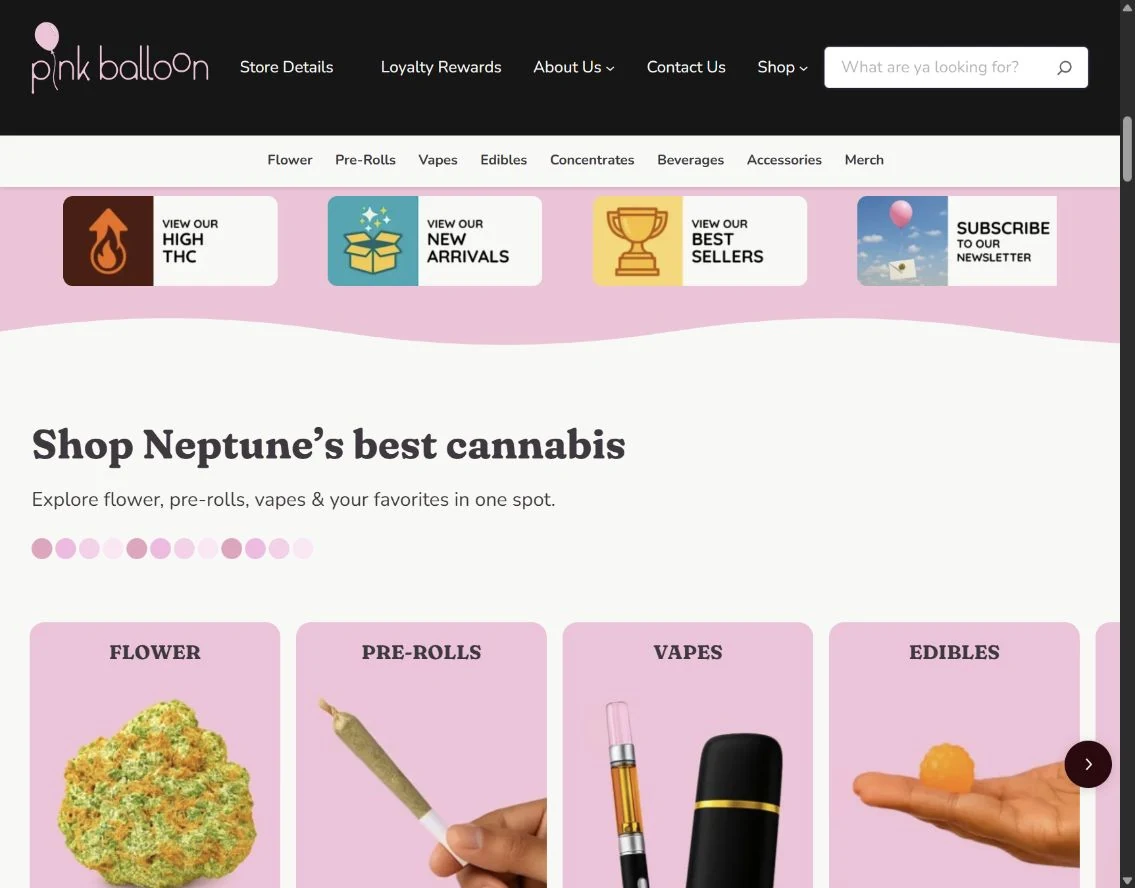
Our Maribis work shows why responsibilities matter. AV Social Strategies helped recover access, supported the Carrot-to-Dutchie transition, rebuilt the content website and coordinated new app launches. Those are documented project responsibilities; the case does not establish a 90-day retainer timeline or an isolated revenue effect.
For your website, name the people responsible for hosting, the CRM, commerce or menu tools and approvals. Agree who coordinates those providers and what happens when a dependency blocks delivery.
End the review with a decision
You do not need every answer to be positive. You need to know what works, what is still uncertain and whether the next work deserves the time and budget.
In our example, keep the routing checks, continue recording inquiry quality and review the next service-page problem. The full redesign stays deferred until there is a clear reason to undertake it. That is a more useful outcome than treating “90 days completed” as a result.
If you’re considering ongoing WordPress management, bring one recurring frustration and the people who can resolve it to a call with AV Social Strategies. We can agree whether the next step is a paid audit, a defined project or ongoing work.
Five questions worth asking your partner
- What changed on the live website, and can we see it?
- How did you check that it solved the agreed problem?
- What did our customers or sales team tell us?
- What is still unknown or waiting on someone?
- What do you recommend next, and what will we stop or defer?
Sources and further reading
The sample company, priority list and review are illustrative. Maribis is a separate documented project, not a 90-day retainer result. WordPress and Google documentation support the maintenance and measurement guidance.